
Publishing your book is a thrilling milestone, marking the beginning of your journey as an author. Book Promotion process is different from publishing a book. In today’s oversaturated marketplace—where UNESCO reports that over 2.2 million books are published annually worldwide—the real challenge lies in standing out and effectively promoting your book. Reaching your target audience amidst this immense competition requires strategic marketing efforts, combining innovative book promotion ideas with proven tactics to ensure your work gains the visibility and recognition it deserves.
Instagram
Instagram’s visual-first approach makes it perfect for authors looking to engage with readers through compelling imagery. With over 1 billion monthly active users, Instagram is a key platform for visual storytelling, allowing authors to showcase book covers, share motivational quotes, and offer behind-the-scenes glimpses of their writing process. Instagram's dynamic features—such as Stories, Reels, and Posts—help authors create a deeper connection with their followers, turning them into dedicated readers. Key Strategies:Facebook
With 2.98 billion monthly active users, Facebook remains one of the most dominant social media platforms. Its versatility in hosting events, fostering discussions, and running targeted promotions makes it indispensable for authors aiming to engage with their audience on a personal level. Facebook provides a robust ecosystem for building communities and directly interacting with readers through live events, author Q&As, and group discussions. Key Strategies:Twitter
Twitter's real-time, conversation-driven environment is perfect for authors who want to stay connected with their audience, share quick updates, and network with fellow writers, publishers, and industry professionals. With over 330 million monthly active users, Twitter encourages concise, impactful messaging and allows authors to participate in trending topics, share writing insights, and engage directly with readers through hashtags, retweets, and replies. Key Strategies: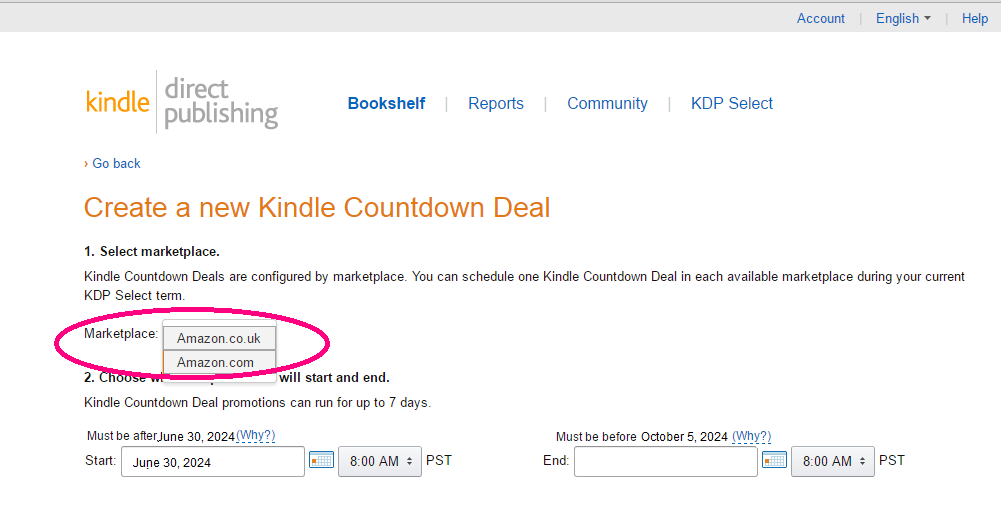 Fig: Kindle Countdown Deal[/caption]
Here’s an example: if your ebook is priced at $4.99, you could launch a promotion starting at $1.99 on Monday at midnight. Over the next three days, you could schedule price increments to $2.99 and $3.99, with each tier lasting 24 hours. By the end of the promotion, your book would return to its standard price.
Alternatively, for a special occasion like Black Friday—a prime day for sales—you might opt for a one-day promotion at 40% off. In this case, you could set the price at $2.99 for 24 hours before reverting to the regular price of $4.99 the following day. This approach is perfect for leveraging high-traffic days to boost sales and visibility.
Track your promotion's performance through these key metrics: Daily sales volume, Revenue generated during the promotion, Post-promotion sales lift, Review count increase and Email list growth.
Multi-Channel Promotion Distribution:
Fig: Kindle Countdown Deal[/caption]
Here’s an example: if your ebook is priced at $4.99, you could launch a promotion starting at $1.99 on Monday at midnight. Over the next three days, you could schedule price increments to $2.99 and $3.99, with each tier lasting 24 hours. By the end of the promotion, your book would return to its standard price.
Alternatively, for a special occasion like Black Friday—a prime day for sales—you might opt for a one-day promotion at 40% off. In this case, you could set the price at $2.99 for 24 hours before reverting to the regular price of $4.99 the following day. This approach is perfect for leveraging high-traffic days to boost sales and visibility.
Track your promotion's performance through these key metrics: Daily sales volume, Revenue generated during the promotion, Post-promotion sales lift, Review count increase and Email list growth.
Multi-Channel Promotion Distribution:
Why Book Promotion is Crucial?
For self-published authors, promoting a book effectively is key to standing out and achieving success. Here's why:- Fierce Competition: Platforms like Amazon host millions of titles, making it challenging for any single book to stand out. With the number of self-published titles growing by an astounding 264% according to wordsrated over the past five years, the competition is tougher than ever.
- Building a Loyal Audience: Nearly 70% of self-published authors face difficulties in cultivating a dedicated reader base. Yet, self-published books dominate 30–34% of all ebook sales, generating $1.25 billion annually. This highlights the importance of targeted book marketing to capture and retain readers.
- Tight Budgets: Most indie authors allocate less than $500 per year for marketing. Stretching this limited budget effectively requires a strategic approach to promotion.
- Adapting to Trends: Digital marketing trends like #BookTok on TikTok or Instagram Reels are constantly evolving. Staying ahead requires creativity and adaptability to engage readers where they spend their time.
8 Effective Book Promotion Ideas to Drive Sales in 2025
Here’s a breakdown of powerful strategies to help your book shine:1. Use of Social Media Platforms
Social media has become an indispensable tool for authors seeking to connect with potential readers, showcase their work, and cultivate a loyal fan base. With over 4.7 billion global social media users, it's a space authors can't afford to ignore. Each platform provides unique opportunities to promote books, making it essential to understand where and how to engage with your audience effectively. Choosing the right social media platform can significantly impact your book’s visibility and your connection with readers. Here's a breakdown of the top platforms for authors, along with strategies to use them effectively:- Post aesthetically pleasing images of your book covers, workspace, or reading setups to attract attention.
- Use Instagram Stories and Reels to share behind-the-scenes content, such as your writing process, daily life, or sneak peeks of upcoming projects.
- Collaborate with bookstagrammers and influencers to expand your reach and tap into passionate reader communities.
- Create a dedicated author page to share book updates, launches, promotions, and engage with your audience directly.
- Host live sessions for Q&As, virtual book launches, or interactive readings, which enhance real-time engagement and allow you to connect with readers on a deeper level.
- Join genre-specific Facebook groups where you can engage with like-minded readers and promote your work organically.
- Use popular hashtags like #WritingCommunity, #AmWriting, and #BookRecommendations to join conversations and increase visibility within the literary world.
- Share daily writing progress, character insights, or motivational quotes to keep your followers engaged and invested in your journey.
- Network with editors, literary agents, and fellow authors to build professional relationships and grow your influence in the industry.
2. Creating Engaging Content
Creating diverse and value-driven content is essential for building an engaged audience on social media. Here are some post ideas to captivate readers and expand your reach:2.1. Behind-the-Scenes Content
Giving your audience a behind-the-scenes look into your creative world helps build a deeper connection with your readers. Share photos or videos of your writing process, workspace, or a day in your life as an author to humanize your brand and make your journey more relatable. This personal touch fosters a sense of intimacy and community with your audience. Use Instagram Stories or Reels to give an authentic glimpse of your workspace, brainstorming sessions, or moments of inspiration. These formats allow you to engage your audience in a fun, casual way, creating a lasting impression and encouraging more interaction.2.2. Character Insights
Readers love getting to know the characters behind the story. Share fun facts, intriguing backstories, or unique traits about your book’s protagonists and antagonists. Post a “Meet My Characters” carousel or a Twitter thread with visuals or quotes tied to each character.2.3. Cover Design Evolution
Engage your followers by involving them in your book cover journey. Share drafts, design iterations, or even conduct a poll to let them vote on their favorite version. Use Instagram or Facebook polls to increase audience interaction while gathering feedback.2.4. Writing Tips for Aspiring Authors
Establish yourself as an authority by sharing practical advice. From overcoming writer’s block to developing compelling plots, your insights can resonate with both readers and fellow writers. Create a carousel post on Instagram with actionable tips or host a live Q&A session on Facebook.2.5. Sneak Peeks and Exclusive Excerpts
Intrigue your audience by sharing short excerpts or teaser chapters from your book. Use captions like, “Here’s a snippet from Chapter 1—what do you think happens next?” to spark curiosity. Create visually appealing graphics with your excerpts using tools like Canva to make them shareable.2.6. Daily Writing Updates
Document your writing journey by sharing daily goals, milestones, or even setbacks. This builds accountability while inspiring your audience to root for your progress. Use a hashtag like #WritingJourney or #WorkInProgress (WIP) to track your updates and connect with the writing community.2.7. Building a Thriving Community
Creating a loyal reader base is essential for long-term success. Here are actionable strategies to foster engagement and community among your audience:2.7.1. Host Interactive Sessions
Regularly connect with your audience through live chats, Q&A sessions, or virtual book readings. These sessions allow readers to learn more about your book and writing journey, making them feel more invested in your work. Use platforms like Instagram Live, Facebook Live, or Twitter Spaces to reach a broader audience.2.7.2. Create Unique Hashtags
Develop custom hashtags, such as #MyBookTitle or #AskTheAuthor, to encourage conversation and make your posts discoverable. A branded hashtag can become a rallying point for your community. Use hashtags for campaigns, like “#FanFriday,” where you share user-generated content weekly.2.7.3. Celebrate Reader Contributions
Shine a spotlight on your readers by sharing their reviews, testimonials, or fan art. Highlighting user-generated content with shout-outs or reposts not only builds goodwill but also motivates others to contribute. Create a dedicated Instagram Story highlight for reader testimonials or fan art to keep their contributions visible.2.7.4. Engage with Comments and Messages
Respond promptly to comments, DMs, and mentions. Acknowledging readers’ input builds rapport and shows that you value their engagement. Use tools like Facebook Page Manager or Hootsuite to stay on top of audience interactions.2.7.5. Use Polls and Questions
Involve your readers in creative decisions through polls and questions. Ask for their input on character names, book covers, or future storylines. This interactive approach makes them feel part of the process. Post a poll on Instagram Stories or a question box like, “Which cover design do you prefer?”3. Collaborate with Influencers and Book Bloggers
Book influencers and bloggers have a significant impact on shaping readers' choices. Your success in influencer marketing depends on finding authentic voices that resonate with your target audience.Finding Your Perfect Match
To find the right influencers and bloggers for your book, you can:- Research hashtags like #BookReviewer, #BookBlogger, or genre-specific tags
- Study influencer content style and engagement rates
- Look for alignment between your book's themes and the influencer's typical content
- Check their previous book recommendations and review authenticity
Creating Win-Win Partnerships
When reaching out to influencers and bloggers, it's important to craft personalized messages that highlight specific aspects of their content. Here are some ideas for collaboration:- Offer exclusive content or early access to your book
- Propose creative collaboration ideas such as character naming rights, behind-the-scenes content, joint live streams, or custom bookmark designs
Maximizing Blogger Reviews
To ensure that blogger reviews have maximum impact, consider the following strategies:- Provide a professional media kit with high-resolution images
- Include relevant background information and talking points
- Request honest reviews and respect their editorial freedom
- Share their reviews across your platforms with proper attribution
Building Long-Term Relationships
Building relationships with influencers and bloggers is crucial for long-term success. Here are some ways to nurture these relationships:- Engage with their content regularly by liking, commenting, and sharing
- Share their posts about other books to show support
- Consider creating exclusive content for their platform as a gesture of appreciation
- Keep them updated on your writing journey and future releases
4. Host Virtual Book Launch Events
Virtual book launches have changed the way authors connect with readers around the world. These online events remove geographical barriers and create intimate spaces for meaningful interactions with your audience.Selecting Your Platform
Choose the right platform for your virtual book launch based on your goals and target audience:- Zoom offers professional features like breakout rooms and screen sharing
- Facebook Live provides built-in audience engagement tools
- YouTube Live enables automatic recording for future promotional content
- Instagram Live creates a casual, intimate atmosphere
Creating an Engaging Program
Plan an engaging program that includes:- Start with a brief reading from your most captivating chapter
- Share your writing journey and inspiration behind the book
- Include visual elements like book cover design evolution
- Display your writing space or research materials
Interactive Elements to Include
Incorporate interactive elements to keep your audience engaged:- Live Q&A sessions with real-time audience questions
- Quick polls to gauge reader interests
- Character naming contests
- Behind-the-scenes stories about your writing process
Exclusive Launch Offers
Create exclusive offers to incentivize attendees to purchase during the event:- Limited-edition signed bookplates
- Custom bookmarks or merchandise
- Early access to upcoming chapters
- Special bundle deals with previous books
5. Utilize Email Marketing Campaigns
Email marketing remains a powerful tool for authors to connect directly with readers and drive book sales. Your email list becomes your direct line to engaged readers who've shown interest in your work.Building Your Pre-Launch Email List:
- Create a landing page offering exclusive chapter previews
- Add sign-up forms to your author website
- Include newsletter links in your social media bios
- Offer free short stories or companion content
- Run targeted ads to capture email addresses
Crafting Engaging Newsletters:
- Share behind-the-scenes glimpses of your writing process
- Include character spotlights and world-building details
- Embed countdown timers for book releases
- Add personal stories about your author journey
- Use eye-catching visuals and clear calls-to-action
Strategic List Segmentation:
- Divide subscribers by reading preferences
- Create separate lists for new releases vs. backlist titles
- Customize content for different reader engagement levels
- Track open rates and click-through data
- Test different subject lines and sending times
6. Create Compelling Book Trailers
Visual storytelling captivates potential readers in ways traditional marketing can't match. Book trailers serve as powerful promotional tools, offering a cinematic glimpse into your story's world and creating an emotional connection with your audience. Yashash can help you to create a stunning trailer for your upcoming book. Essential Elements of an Effective Book Trailer:- Keep duration between 30-90 seconds to maintain viewer interest
- Open with a strong hook in the first 5 seconds
- Use high-quality visuals and professional audio
- Include your book cover and release date
- Add a clear call-to-action (pre-order link or purchase information)
- Character introductions
- Plot teasers
- Atmospheric mood setting
- Behind-the-scenes glimpses
- Author commentary
- YouTube (optimize with relevant tags and descriptions)
- Instagram Reels and Stories
- Facebook Watch
- TikTok
- Your author website
- Amazon Author Central page
- Goodreads profile
7. Participate in Online Book Fairs and Festivals
Online book fairs and literary festivals have transformed the way authors connect with readers and industry professionals. These virtual events offer unique opportunities to showcase your work to a global audience without geographical limitations.Finding Relevant Events:
- Search platforms like Eventbrite and social media for virtual book fairs
- Join author groups on Facebook and LinkedIn for event announcements
- Subscribe to literary newsletters that share upcoming festival dates
- Check publishers' websites for industry events calendars
Making the Most of Your Participation:
- Create a professional virtual booth with high-quality images
- Prepare engaging video presentations about your book
- Set up a scheduling system for one-on-one reader interactions
- Offer exclusive festival-only discounts or bonuses
- Cross-promotion opportunities with complementary authors
- Joint virtual readings or panel discussions
- Shared marketing initiatives
- Guest posting on each other's platforms
8. Offer Limited-Time Promotions and Discounts
Limited-time promotions create a sense of urgency that drives readers to take immediate action. You can implement strategic pricing tactics to boost your book sales through various platforms and channels. Amazon Kindle Countdown Deals allow you to run time-sensitive promotions by gradually increasing your book's price from a low starting point. For instance, you can set your book's price at $0.99 for 24 hours, then raise it to $1.99, $2.99, and so on until it reverts to its original price. This strategy not only creates urgency but also maximizes profitability. [caption id="attachment_37503" align="alignnone" width="1001"] Fig: Kindle Countdown Deal[/caption]
Here’s an example: if your ebook is priced at $4.99, you could launch a promotion starting at $1.99 on Monday at midnight. Over the next three days, you could schedule price increments to $2.99 and $3.99, with each tier lasting 24 hours. By the end of the promotion, your book would return to its standard price.
Alternatively, for a special occasion like Black Friday—a prime day for sales—you might opt for a one-day promotion at 40% off. In this case, you could set the price at $2.99 for 24 hours before reverting to the regular price of $4.99 the following day. This approach is perfect for leveraging high-traffic days to boost sales and visibility.
Track your promotion's performance through these key metrics: Daily sales volume, Revenue generated during the promotion, Post-promotion sales lift, Review count increase and Email list growth.
Multi-Channel Promotion Distribution:
- Share your deals on BookBub and other book promotion sites
- Announce discounts through your author newsletter
- Post countdown timers on social media
- Partner with book clubs for group discount offers